Now–Aug 15: 10% Off Tree Services for Military, Veterans & First Responders
Understanding When to Schedule Cuts
Timing plays a critical role in successful pruning outcomes. Late winter, before spring growth begins, offers the ideal window for most species because wounds close faster during the active growing season that follows.
In the mountains of western North Carolina, this typically means February through early March, when temperatures start moderating but buds remain dormant. Pruning during dormancy also provides better visibility of branch structure without foliage obstruction, allowing for more strategic decisions about which limbs to remove.
Summer pruning can slow growth and is sometimes used to correct shape, though it carries a higher risk of disease transmission when pathogens are most active. Avoid pruning in the fall when decay organisms spread readily and trees are preparing for winter dormancy, making them less capable of sealing wounds effectively.
Flowering species require special consideration based on whether they bloom on old or new wood. Spring bloomers like dogwoods should be pruned immediately after flowering, while summer bloomers that flower on current season’s growth can be addressed in late winter. Dead, damaged, or hazardous branches represent the sole exception to seasonal guidelines and should be removed immediately, regardless of time of year, to prevent property damage or injury.
Selecting the Right Tools for Each Task
Quality tools matched to branch diameter make the difference between clean cuts that heal properly and ragged tears that invite infection. Hand pruners work best for branches up to three-quarters of an inch in diameter, providing precise control for detailed work on smaller stems and twigs. Bypass pruners, which cut with a scissor action, create cleaner wounds than anvil types and should be your first choice for live wood.
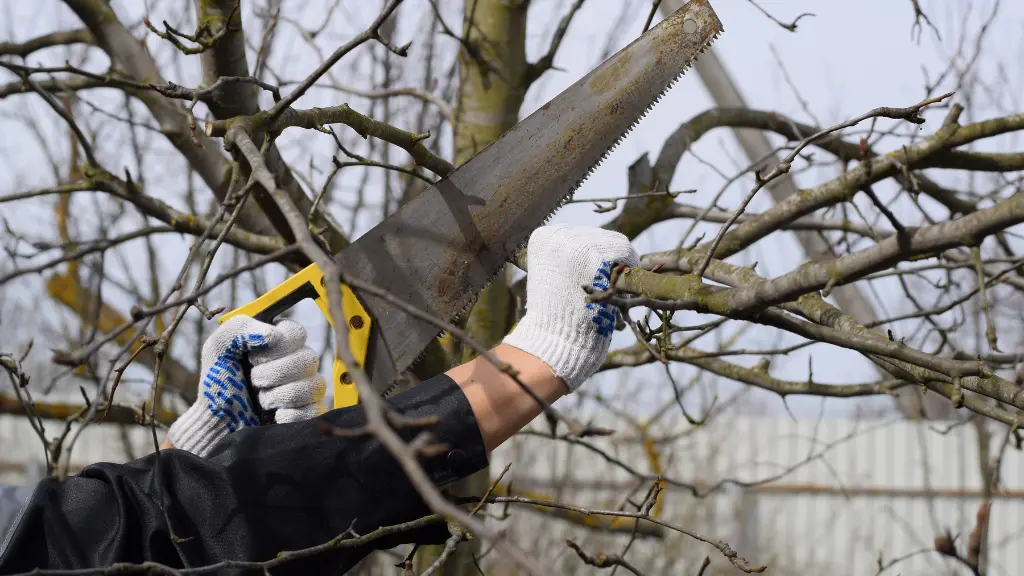
Loppers extend your reach and leverage for branches between three-quarters of an inch and two inches, with long handles providing the mechanical advantage needed for thicker growth. For anything larger than two inches, a curved pruning saw becomes necessary, as forcing smaller tools risks damaging both equipment and tree tissue. Pole pruners allow you to reach higher branches without a ladder, though they require practice to achieve proper cutting angles.
Every tool must be sharp to function correctly because dull blades crush rather than cut, leaving wounds that struggle to compartmentalize and seal. Disinfect blades between trees using a solution of one part bleach to nine parts water or 70% isopropyl alcohol to prevent spreading diseases like fire blight or oak wilt. Tool maintenance extends beyond sharpening and cleaning to include regularly checking and tightening bolts, oiling moving parts, and replacing worn components before they fail during use.
Making Proper Cuts That Promote Healing
Cut placement determines whether a tree successfully compartmentalizes wounds or suffers decay that spreads into the trunk. The branch collar, that slightly swollen area where a branch meets the trunk or parent limb, contains specialized cells designed to seal wounds. Proper cuts remove the branch just outside this collar at a slight angle that mirrors the collar’s natural geometry, preserving the tree’s protective zone while avoiding stubs that die back and create entry points for rot.
Flush cuts that remove the collar eliminate the tree’s natural defense mechanism and create larger wounds that struggle to close, often leading to cavities years later. The three-cut method prevents bark from tearing down the trunk when removing larger branches: first, an undercut about a foot from the trunk on the bottom side; second, a top cut slightly farther out that allows the branch to fall cleanly; third, the final collar cut that removes the remaining stub properly.
Heading cuts, which remove only the end portion of a branch, should be made just above an outward-facing bud or lateral branch at a 45-degree angle to encourage growth in the desired direction.
Avoid leaving stubs above buds, which die back and invite disease, but don’t cut so close that you damage the bud itself. Wound dressings and sealants are unnecessary and sometimes harmful, as they can trap moisture and interfere with the tree’s natural compartmentalization process that works more effectively when exposed to air.
Establishing Strong Structure Through Strategic Removal
Structural pruning during a tree’s formative years establishes architecture that supports decades of safe, vigorous growth while reducing future corrective needs. Young trees benefit from establishing a single dominant leader by removing competing upright stems that create weak forks prone to splitting under ice load, something we see frequently after winter storms in the southern Appalachians.
Spacing lateral branches vertically prevents the development of included bark between closely stacked limbs, a structural defect where bark grows between branches rather than wood, creating a weak attachment that eventually fails. Select permanent scaffold branches with wide attachment angles between 45 and 90 degrees, as narrow crotches accumulate stress and split more easily than wider angles.
Remove crossing or rubbing branches that wound each other and create entry points for pathogens, keeping the branch that better serves the tree’s overall form and direction. Interior growth that will never receive adequate light to contribute meaningfully can be removed to improve air circulation, which reduces fungal disease pressure by allowing foliage to dry quickly after rain.
The general rule suggests removing no more than 25% of a tree’s crown in a single season, as excessive removal stresses the tree and can trigger excessive epicormic sprouting that creates more work later. Mature trees require a lighter touch, focusing mainly on dead wood, hazardous limbs, and limited crown cleaning rather than aggressive reshaping that compromises their established form and energy reserves.
Professional Assessment for Complex Situations
While homeowners can safely handle small branches within reach from the ground, certain situations demand professional expertise and equipment. Work requiring a ladder, especially near power lines, introduces serious safety risks that outweigh any cost savings from doing it yourself.
Large limbs over structures, vehicles, or other valuable property require rigging techniques and controlled lowering that prevent damage during removal. Trees showing signs of disease or structural defects need evaluation by someone trained to recognize symptoms and recommend appropriate intervention before problems escalate into hazards or tree loss.
Species-specific requirements vary considerably, with some trees tolerating aggressive pruning while others decline rapidly if handled incorrectly. Professional arborists understand the biology behind decision-making and can balance your aesthetic preferences with the tree’s biological needs for sustained vitality. When you need reliable tree care that prioritizes both safety and plant health, the team at Rose Tree & Excavating Services brings years of hands-on experience working with the diverse species and challenging terrain found throughout western North Carolina.
Their familiarity with local growing conditions, common pest and disease issues, and seasonal weather patterns that affect pruning schedules ensures your trees receive care tailored to thrive in this specific environment. From routine maintenance to complex structural corrections, working with trained professionals protects your investment in your landscape while ensuring work is completed safely and correctly the first time.